by Super Cat
Adult
Regular

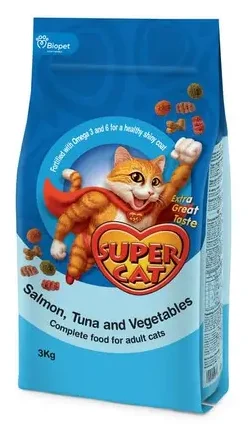
Super Cat

Salmon, Tuna & Vegetables

Adult
Regular
Indoor and Outdoor

First Ingredient

Grains

Flavor

Fish: Salmon
353 views
31
/100
Click to view the score breakdown

Nutrition

Ingredients

  • Cereals
  • Meats and animal by-products
  • Vegetable by-products
  • Oils and fats
  • Fish and fish by-products (4% salmon in kibbles with salmon, 4% tuna in kibbles with tuna)
  • Vitamins
  • Minerals
  • Vegetables (4% carrots in kibbles with carrots, 4% green vegetables in kibbles with green vegetables)
  • Yeasts
  • Antioxidants
  • and also:
Colorants

Vitamins and Additives

  • Vitamin A 30.000 ui/kg
  • Vitamin D 1500 ui/kg
  • and also:
Iron (94mg/kg), Zinc (94mg/kg), Copper (6mg/kg), Manganese (7mg/kg), Iodium (0.9mg/kg), Selenium (0.14mg/kg), Taurine (1000mg/kg)

Guaranteed Analysis

Crude Protein
30%
Crude Fat
10%
Crude Fiber
3.5%
Moisture
10%
Crude Ash
8.5%
Metabolizable Energy
3590 kcal/kg

Guaranteed Analysis

Crude Protein
30%
Crude Fat
10%
Crude Fiber
3.5%
Moisture
10%
Crude Ash
8.5%
Metabolizable Energy
3590 kcal/kg
Last reviewed:
We use advanced automated tools to verify and update this product’s details with the most current manufacturer information.
View the product change history.

Sellers’ Offers

Select Package size to view offers

More products from Super Cat
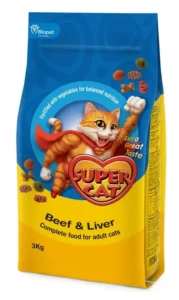
Adult
Regular
Super Cat: Beef & Liver
32
Super Cat

Beef & Liver

Key nutritional info
Crude Protein: 30%
Crude Fat: 10%
Crude Fiber: 3.5%
Carbohydrates: 38%
Metabolizable Energy: 3445 kcal/kg
345 Views
Super Cat: Beef & Liver
Beef & Liver
Super Cat
32
Grains
Beef
Adult
Regular
30%
10%
3.5%
No

Alternative Products

The alternative products listed here are selected based on their similarity to the product you're viewing.
We compare key factors such as overall score, life stage, and category, along with core nutritional values like protein, fat, fiber, and metabolizable energy.
While not identical, these products fall within a defined range to offer nutritionally comparable options.
Adult
Regular
Still: Joy Tuna and Salmon
34
Still

Joy Tuna and Salmon

Key nutritional info
Crude Protein: 31%
Crude Fat: 11%
Crude Fiber: 3%
Carbohydrates: 37%
Metabolizable Energy: 3535 kcal/kg
329 Views
Still: Joy Tuna and Salmon
Joy Tuna and Salmon
Still
34
Grains
Fish: Salmon
Adult
Regular
31%
11%
3%
No
Adult
Regular
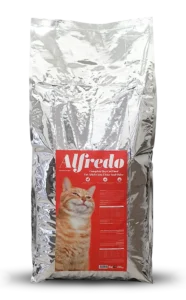
Alfredo-dry-cat-food-18
34
Alfredo

Alfredo

Key nutritional info
Crude Protein: 29%
Crude Fat: 10%
Crude Fiber: 4%
Carbohydrates: 38%
Metabolizable Energy: 3401 kcal/kg
411 Views
Alfredo-dry-cat-food-18
Alfredo
Alfredo
34
Grains
Poultry
Adult
Regular
29%
10%
4%
No
Adult
Regular
Hilary’s: Mix
33
Hilary's

Mix

Key nutritional info
Crude Protein: 30%
Crude Fat: 10%
Crude Fiber: 3%
Carbohydrates: 37.50%
Metabolizable Energy: 3431 kcal/kg
348 Views
Hilary’s: Mix
Mix
Hilary's
33
Animal Protein
Unknown
Adult
Regular
30%
10%
3%
No
Adult
Regular
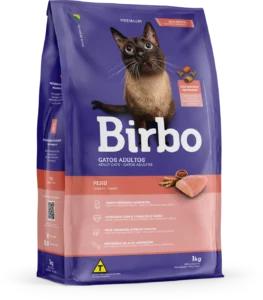
Birbo: Gatos Peru, Turkey
32
Birbo

Gatos Peru, Turkey

Key nutritional info
Crude Protein: 30%
Crude Fat: 10%
Crude Fiber: 3.5%
Carbohydrates: 37.50%
Metabolizable Energy: 3428 kcal/kg
162 Views
Birbo: Gatos Peru, Turkey
Gatos Peru, Turkey
Birbo
32
Grains
Turkey
Adult
Regular
30%
10%
3.5%
No
Adult
Regular
cat-lovers-mix-photo
31
Cat Lovers Mix

Cat Lovers Mix

Key nutritional info
Crude Protein: 31%
Crude Fat: 10%
Crude Fiber: 3%
Carbohydrates: 40%
Metabolizable Energy: 3562 kcal/kg
387 Views
cat-lovers-mix-photo
Cat Lovers Mix
Cat Lovers Mix
31
Grains
Unknown
Adult
Regular
31%
10%
3%
No

Why this score?

  • 42.8% carbohydrates of combination C
    -38
  • Low protein content
    -17
  • Partial by-product main meat ingredient
    -4
  • Unknown source of main meat ingredient
    -5
  • Unknown source of main fat ingredient
    -3
  • Food colors
    -2
Product feedback

Found a mistake?
Missing info?

Provide as many details as possible about Super Cat: Salmon, Tuna & Vegetables so we can make it better!

How the score is calculated?

The actual calculation of the score is based on sophisticated and advanced algorithm that takes into account multiple parameters.

To simplify the explanation, the calculation is based on three main criteria:

(1) Amount of protein (more is better)

(2) Amount of carbohydrates (less is better)

(3) Quality and source of ingredients.

Based on that 3 main criteria, 9 score calculation rules are used to compare the different foods.

One major assumption is that the closer an ingredient is to the top of the ingredient list, the greater its relative weight and contribution to the food.

In general, cat food is composed of protein, fats, carbohydrates, fibers, vitamins, and minerals.

Protein is the most important component in a cat's diet, and cats primarily get their protein from animal meat.

Fat is a primary source of energy and essential fatty acids.

Carbohydrates are controversial in a cat's diet, as cats are obligate carnivores and typically consume very few carbohydrates.

Fibers play an important role in digestion and food absorption, and vitamins and minerals are essential for different organism functions.

Dry matter values are used to compare the amount of nutrients in different cat foods. This means that moisture is excluded from the equation to provide a more accurate comparison.

Putting all of these and more into a formula results in a product score.

The maximum score a cat food can receive is 100. Points are added or removed based on the score calculation rules.

Didn't find a dry food?

Provide as many details as you can so we can analyze the missing product and add it.

Invalid form ID

Found a mistake?
Missing info?

Provide as many details as possible about Super Cat: Salmon, Tuna & Vegetables so we can make it better!

Thank you!

How the score is calculated?

The actual calculation of the score is based on sophisticated and advanced algorithm that takes into account multiple parameters.

To simplify the explanation, the calculation is based on three main criteria:

(1) Amount of protein (more is better)

(2) Amount of carbohydrates (less is better)

(3) Quality and source of ingredients.

Based on that 3 main criteria, 9 score calculation rules are used to compare the different foods.

One major assumption is that the closer an ingredient is to the top of the ingredient list, the greater its relative weight and contribution to the food.

In general, cat food is composed of protein, fats, carbohydrates, fibers, vitamins, and minerals.

Protein is the most important component in a cat’s diet, and cats primarily get their protein from animal meat.

Fat is a primary source of energy and essential fatty acids.

Carbohydrates are controversial in a cat’s diet, as cats are obligate carnivores and typically consume very few carbohydrates.

Fibers play an important role in digestion and food absorption, and vitamins and minerals are essential for different organism functions.

Dry matter values are used to compare the amount of nutrients in different cat foods.
This means that moisture is excluded from the equation to provide a more accurate comparison.

Putting all of these and more into a formula results in a product score.

The maximum score a cat food can receive is 100.
Points are added or removed based on the score calculation rules.